The Structured Monthly Planner: A Tool for Intentional Productivity
In the landscape of personal productivity tools, the classic monthly planner occupies a distinct and enduring space. It is neither the granular, daily task manager nor the lofty, annual goal-setter. Instead, it functions as the critical bridge between the two, providing a canvas for strategic oversight and intentional monthly progress. For many, this format offers a sustainable balance of structure and flexibility, making it a cornerstone of organized workflows for professionals, creators, and anyone aiming to move beyond reactive busyness to proactive achievement.
Defining the Purpose and Core Value
A monthly planner’s primary function is visual and strategic time management. At its most effective, it provides a single-page or two-page spread for the entire month, allowing you to map out key deadlines, appointments, project phases, and personal commitments in one consolidated view. This macro perspective is its greatest strength. Unlike weekly or daily views that can feel fragmented, the monthly layout encourages you to see how individual tasks relate to each other across weeks, identify potential bottlenecks before they occur, and balance workload distribution.
The practical value lies in this prevention of oversight and the promotion of pacing. For instance, an entrepreneur can visually plot a product launch month, seeing that marketing activities must precede the launch date, and client follow-ups must cluster in the subsequent week. This avoids the common pitfall of focusing only on the immediate week and losing sight of the month’s cohesive goal. The monthly planner becomes a command center for the campaign, not just a list of to-dos.
Key Characteristics and Design Considerations
Quality in a monthly planner hinges on clarity, space, and thoughtful auxiliary sections. A well-designed planner typically features:
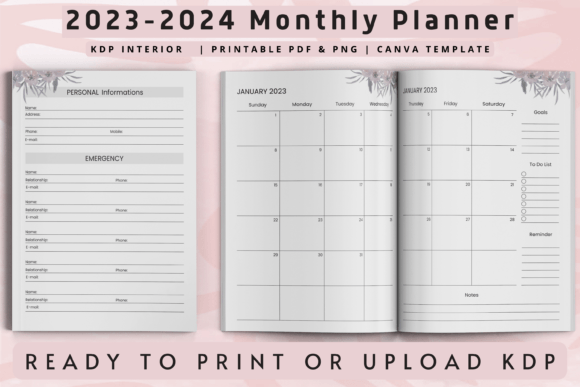
- Clear, spacious calendar grids: Each day cell should allow for several entries without feeling cramped. Ample space reduces visual clutter and improves usability.
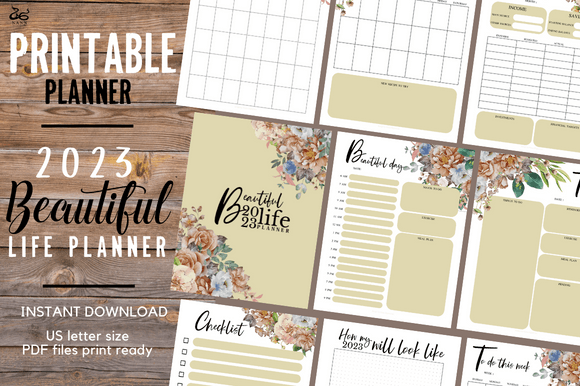
- Complementary planning sections: Adjacent pages or areas for monthly goals, priority lists, habit trackers, or notes transform the tool from a simple calendar into a planning system. These sections encourage you to define what you want to achieve in the month, not just what you need to do.
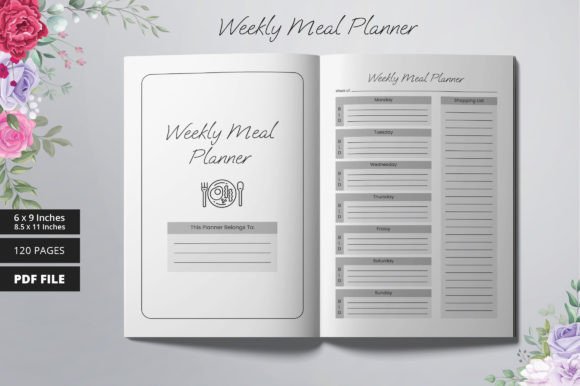
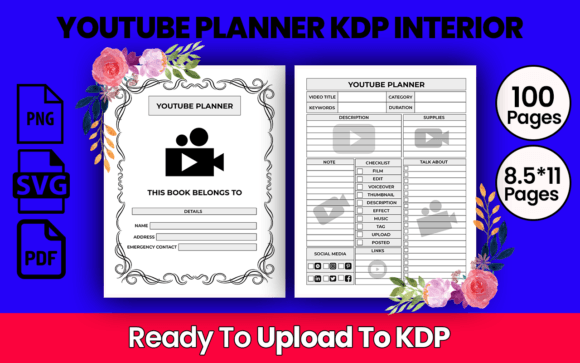
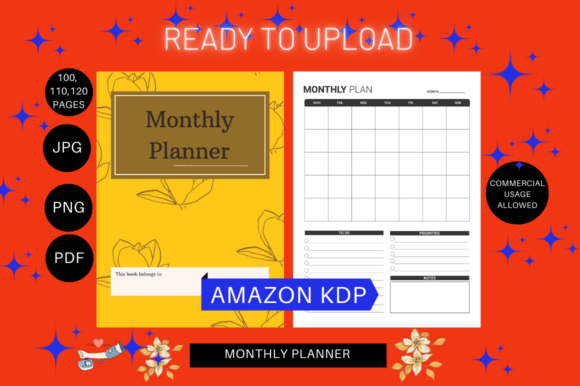
- Robust page counts and physical format: As seen in ready-to-use templates, a 100–120 page count signifies a year-long resource. The 8.5” x 11” inch dimension is a practical standard, offering a substantial writing area while remaining compatible with standard binders and folders. The mention of “No Bleed” indicates design precision for self-publishing, ensuring clean, professional print results when the PDF is used for physical book creation.
Usability and Integration into Existing Workflows
A planner’s effectiveness is determined by how easily it integrates into your existing routine. The monthly format is often less demanding than daily journaling, requiring only periodic reviews—perhaps a setup session at the month’s start and brief daily updates. This lower maintenance makes it sustainable. For professionals juggling multiple projects, the ability to see all project deadlines for the month on one page can streamline cross-project coordination and resource allocation.
Its flexibility is also a notable asset. The monthly planner can serve as a standalone tool or the strategic layer atop more detailed weekly or digital apps. A marketer might use it to track campaign timelines while managing daily tasks in a software tool. This layered approach ensures high-level strategy is always visible, preventing daily execution from drifting off course.
Audience Fit and Practical Applications
This tool is particularly beneficial for individuals and roles where oversight of multiple timelines is crucial.
- Freelancers and Small Business Owners: They manage client projects, administrative cycles, and personal business development. A monthly planner visually separates these streams, allowing for balanced attention and preventing client work from completely overshadowing growth activities.
- Content Creators and Bloggers: Planning publication schedules, content themes, and production phases across a month ensures consistent output and allows for topical coordination, like aligning blog posts with seasonal events.
- Educators and Project Managers: For those working in phases or modules, the monthly view aligns perfectly with syllabus planning, project milestones, and team deadline management.
- Serious Hobbyists Pursuing Goals: Whether training for an event or completing a creative project, the planner helps break the goal into monthly segments, making progress tangible and sustainable.
Observations on Long-Term Value and Consistency
The long-term value of using a monthly planner accrues through the creation of a recorded history of your focus and priorities. Reviewing past months provides insights into your actual working patterns, recurring bottlenecks, and goal achievement rates. This data is invaluable for personal efficiency analysis. The consistency of the format—using the same structure each month—reduces cognitive load. You don’t relearn a system; you deepen your proficiency with it, making planning faster and more intuitive over time.
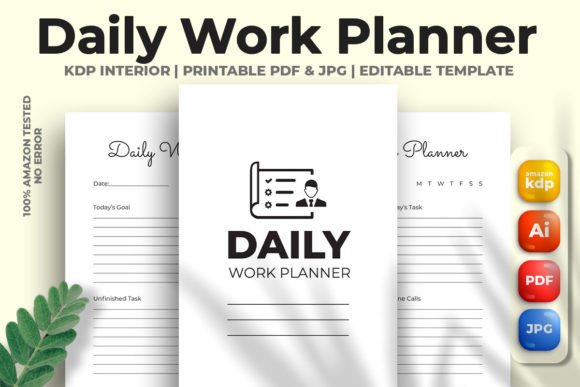
Regarding the practical aspect of acquiring or creating such a tool, the availability of tested, print-ready PDF templates, as referenced in the details, addresses a significant need for creators and self-publishers. It provides a reliable, quality-assured starting point, eliminating design uncertainty and technical hurdles like bleed settings. This allows the user to focus immediately on content and planning, not layout troubleshooting.
Balanced Assessment and Realistic Limitations
While powerful for strategy, the monthly planner is not a substitute for detailed daily task management. Individuals who require minute-by-minute scheduling or have highly volatile, day-to-day task lists may find it necessary to pair it with a more granular system. Its effectiveness is also dependent on user engagement; it requires the discipline of monthly setup and regular updating to function. A static, unfilled planner offers no benefit.
Furthermore, the physical format, while advantageous for many in terms of tangibility and ease of review, may not suit those who require seamless digital syncing with teams or across devices. In such cases, the monthly planner concept can still be adopted within digital calendar software, though often with less customization for goal setting and notes.
Ultimately, the decision to integrate a structured monthly planner into your workflow hinges on your need for elevated oversight and intentional monthly pacing. If your work or goals benefit from seeing the forest rather than just the trees, and if you value a tangible, centralized strategic document, this tool offers a proven, practical framework. Its strength is not in complex features, but in providing a clear, consistent space for aligning your time with your intentions, month after month.