Your Blueprint for a Perfect Sudoku Paperback: The 8.5"x11" Interior
For puzzle creators and self-publishing enthusiasts, finding the right foundation for a book can be the biggest hurdle. You have the passion, but the technical details of layout and design can stall your project. That’s where a purpose-built, ready-to-use interior comes in. Specifically, a Sudoku Puzzles Interior KDP 8.5"x11" template is more than just a collection of grids; it’s a strategic tool designed to transform your idea into a physical product with minimal friction. Let’s explore how this specific format functions and why it could be the perfect starting point for your KDP journey.
What Makes a KDP Sudoku Interior Practical?
KDP, or Kindle Direct Publishing, democratizes book creation. However, “direct” doesn’t mean “without preparation.” The interior file is the heart of your paperback—the pages a reader will actually interact with. A professionally structured interior saves you countless hours in graphic design software, ensuring print-readiness from the moment you upload it. The Sudoku Puzzles Interior KDP 8.5"x11" format addresses the core practical needs: correct dimensions, readable layout, and a complete puzzle-to-solution flow.
Consider the size: 8.5 x 11 inches is the standard US letter size. This is a familiar, comfortable format for puzzle books. It offers ample space for a large, clear Sudoku grid without feeling cramped, which is crucial for reader enjoyment, especially for adults who prefer not to squint at tiny numbers. This size also translates perfectly to KDP’s paperback specifications, eliminating any risky guesswork about margins or bleed.
The Anatomy of a Reader-Friendly Puzzle Page
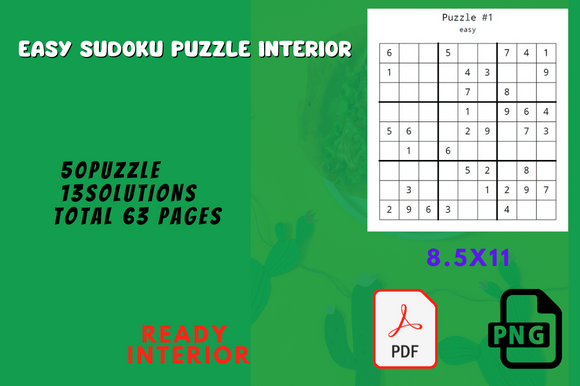
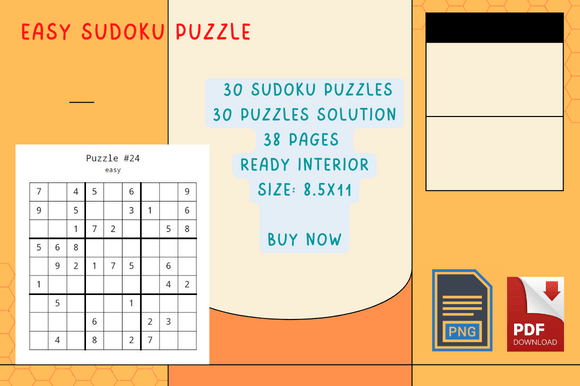
The hallmark of a good puzzle interior is clarity and focus. The featured interior follows a 1 puzzle per page philosophy. This is a significant design choice. It provides a clean, uncluttered experience. The solver isn’t distracted by another puzzle looming next door; they can concentrate fully on the single challenge before them. This spacious approach reduces visual noise and enhances the tactile, pen-on-paper pleasure that puzzle book lovers seek. After completing the puzzle, the included solutions offer immediate satisfaction or a learning opportunity, making the book a self-contained system.
With 30 puzzles crafted at an easy level, this interior caters to a specific and sizable audience. It’s perfect for beginners re-entering the world of Sudoku, for those seeking a relaxing mental exercise without frustration, or for quick daily brain teasers. The “easy” classification isn’t a drawback—it’s a targeted market decision. It ensures a smooth, enjoyable user experience, which is key for positive reviews and repeat customers.
From Digital File to Physical Book: The KDP Workflow
How does this interior fit into the actual publishing process? Imagine you’ve purchased or customized the Sudoku Puzzles Interior KDP 8.5"x11" file. It’s a complete PDF. In your KDP dashboard, you upload this PDF as your “manuscript” for a new paperback. The system recognizes the 8.5"x11" trim size. You then design a compelling cover (also 8.5"x11" with spine width calculated by KDP based on page count), set your price, and publish. The interior’s pre-formatted nature means you avoid common pitfalls: misaligned grids, inconsistent numbering, or solutions printed too close to the puzzle. It streamlines production.
This efficiency is invaluable for creators who may be publishing multiple puzzle books or testing different niches. You can use the same interior structure as a reliable template, perhaps changing puzzle difficulty or graphics for a new title. It becomes a modular component in your publishing toolkit. For those focusing on puzzle content creation rather than graphic design, this separation of concerns is liberating. You can invest your energy in curating great puzzles or marketing your book.
Design Considerations and Unique Appeal
The mention of a unique design is vital. In a crowded market, visual distinction matters. A well-designed interior isn’t just functional; it’s part of the product’s appeal. This could mean elegant typography for the numbers, a stylish border or header on each page, or a clean, modern font for the title and solutions page. The design should feel intentional—like a book, not a hastily printed worksheet. This elevated presentation increases perceived value and can make your paperback stand out on a shelf (or in Amazon’s search results). It tells the buyer that thought and care went into the entire package.
When choosing or evaluating an interior, ask yourself: Does the layout look inviting? Is there a harmonious balance between the puzzle grid and the white space? Are the solution pages easy to navigate? These elements contribute directly to user experience. A cluttered, poorly spaced interior can lead to negative feedback, no matter how excellent the puzzles themselves are.
Targeting the Adult Puzzle Enthusiast
Why focus on adults? The adult puzzle market is vast and diverse. Puzzles are a popular tool for cognitive maintenance, stress relief, and simple entertainment. An easy-level Sudoku book for adults serves as a perfect gateway or a low-pressure daily ritual. It’s a book one might keep on a coffee table, in a work bag, or by the bedside. The physical paperback format is key here—it’s durable, doesn’t require a screen, and offers a sense of accomplishment as pages are filled. By providing 30 distinct puzzles, the book offers substantial engagement without being overwhelming, hitting a sweet spot for casual enthusiasts.
For the author-publisher, understanding this audience allows for targeted marketing. You can position your book as a “mindful break,” a “train commute companion,” or a “gentle brain workout.” The interior’s characteristics directly support these selling points: the easy puzzles promise enjoyment not frustration, the large page size ensures comfort, and the single-puzzle layout promotes focused relaxation.
Ultimately, a Sudoku Puzzles Interior KDP 8.5"x11" is more than a digital product. It’s a bridge. It connects your creative idea to the logistical realities of self-publishing, and it connects the end reader to a satisfying, well-presented puzzle experience. By handling the technical groundwork, it empowers you to build and publish your KDP paperback books for puzzle games with confidence, letting you focus on what matters most: sharing great puzzles with the world.